Salt is an essential part of every kitchen—but not all salts are created equal. Understanding the difference between Himalayan salt and regular table salt can help you make better choices.
Processing Differences
Regular table salt is heavily refined and often contains anti-caking agents.
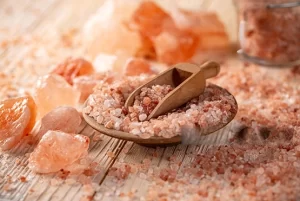
Himalayan salt, on the other hand, is naturally harvested and minimally processed.
Appearance & Texture
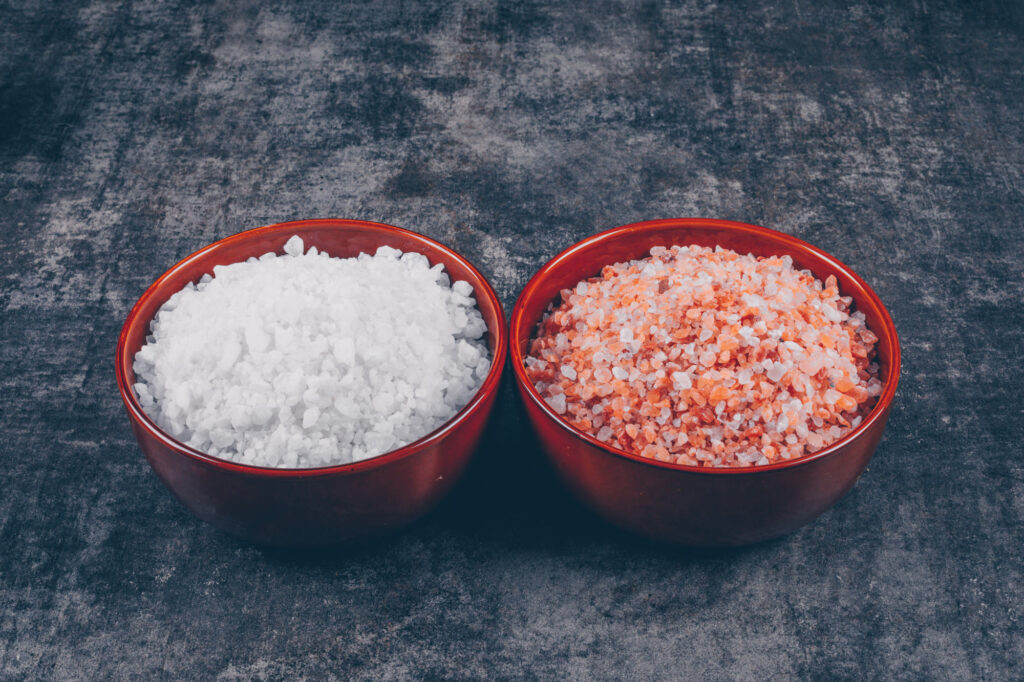
- Table Salt: Fine, white, uniform
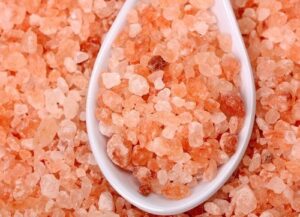
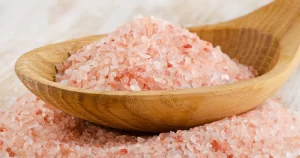
- Himalayan Salt: Pink, coarse or crystalline
Mineral Content
Himalayan salt contains trace minerals that give it its color and unique flavor profile, while table salt is mostly pure sodium chloride.
Taste & Usage
Many chefs prefer Himalayan salt for its:
- Subtle flavor
- Natural crunch (in coarse form)
- Aesthetic appeal
Which One Should You Choose?
Both types serve their purpose, but Himalayan salt is often favored for its natural origin and premium perception.
Final Verdict
If you’re looking for a more natural and visually appealing option, Himalayan salt stands out. It’s not just a seasoning—it’s a lifestyle choice embraced by modern consumers.