Salt is the only ingredient that almost all recipes on the internet don’t really specify a quantity for. It’s just “add a pinch,” “season to taste.” The assumption behind this instruction is that you’re not using some speciality product like medium pink salt, so the standard pinch is enough. But…
There are various grain sizes for Premium Himalayan salts and even normal table ones. They all dissolve and distribute differently throughout the dish. When it comes to baking, you have to be even more meticulous, as not all types interact with common ingredients like gluten and yeast in the same way.
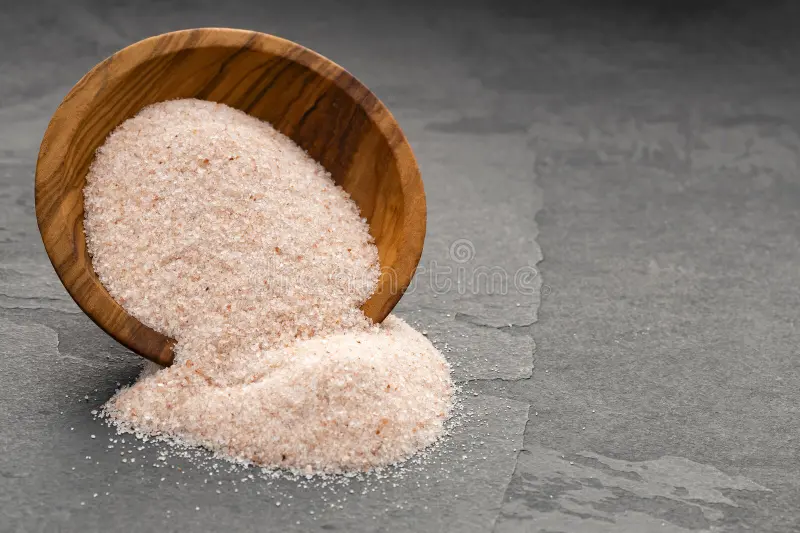
Medium pink salt has found its way into many commercial kitchens, and its appearance isn’t the only appeal. They and other variations like dark pink salt can be ground into fine grains that are convenient for both cooking and baking applications. It dissolves and seasons with consistency and doesn’t need as much adjustment from recipe to recipe once you get used to it.
Add Fine Grain Salt to Your Dry Ingredients, Not at the End
A lot of beginner home bakers add salt when both dry and wet ingredients are mixed, and sometimes just sprinkle it on top, thinking it’ll soak in by the heat. The problem is that by that point the batter or dough has already formed, so it won’t get through even if it’s finely milled. This is why you get some bites that taste flat and some that are too bitter from the same loaf.
Mix your fine grain pink salt in with the flour before any liquid goes in. It takes no extra effort and makes a big difference in how evenly the final bake is seasoned.
For baked items like pizza or bread, don’t add yeast and then salt thinking it doesn’t matter what goes first. These two in direct means, slowed down fermentation and less poofy end result.
Use Early When You’re Cooking Meat and Vegetables
Take two chicken thighs, sprinkle one right before searing and the other one a little earlier. You’ll see a massive difference in both chickens. The earlier you season, the more time it gets to absorb into the surface.
Vegetables that you are planning to cook in the oven can be tossed with fine grain medium pink salt or the one of your choice, sometimes associated with natural Himalayan Salt lamps. Don’t forget to add oil so the grains coat and stick to the veg properly before placing them in the oven. This way you won’t get that grainy mouth feel and your broccoli or any other vegetable will be seasoned all around.
This is one of those use cases where fine grain pink salt is particularly useful because the smaller crystals start absorbing into the surface quickly. Coarse grinds are fine if you’ll be roasting the veggies.
Initially, Go Light When Cooking Foods That Reduce
Foods like soups, sauces, braises, anything where liquid is going to cook down over time need to be seasoned carefully at the start. As the liquid reduces, whatever salt is already in there becomes more concentrated. If you season just the right amount before the dish is reduced it will certainly be over-seasoned or bitter by the end. The rule of thumb is to put in the normal amount and tweak and taste right before the dish is done cooking.
Fine grains are good for this kind of cooking because they dissolve and integrate quickly, so when you taste and adjust you’re getting an accurate idea. Simply remember this, add a little, give it a minute, taste again.
Where Fine Grain Pink Salt is Best
If you’re not sure whether to reach for it, these are some cases where you probably should
Baking: the recipes for these are simple but a small ingredient mismatch makes it tricky. In items like cookies, breads, cupcakes, these salts are easier because they dissolve completely into batters in a blink. And you never get an unevenly salty bite that ruins your whole mood.
Soups and braises: smaller granules dissolve faster so you don’t have to stir your arm off. Plus if you find the savouriness is not enough, you can always add more without worrying that it might not dissolve now.
Dry rubs and spice blends: if you’re someone who makes their steak rubs at home these salts are ideal. They mix smoothly with ground spices without clumping.
Eggs: season during cooking rather than after and it goes through the egg as it sets rather than sitting on top
Pasta and blanching water: disperses through a large volume quickly without needing much stirring which is absolutely needed to make the sea like water for perfectly flavourful pasta.
Meat and fish before cooking: smaller crystals absorb into the surface faster than coarse ones. So for dishes like fried chicken, baked fish or roasted beef these grind types are ideal and especially useful when you don’t have much time to leave to marinate.
Dressings and vinaigrettes: Greek salads, quinoa bowls these are everyday favorites for many people now. And if you’re one of them it’s the best option. It dissolves without heat, and the natural mineral content in pink salt softens sharp acidity without dulling it.
Keeping Fine Grain Himalayan Salt from Clumping
Because it hasn’t been heavily refined, it holds onto the trace minerals and those minerals attract moisture from the air. In a humid kitchen such as in Malaysia, it can clump. This will affect your recipes as it is harder to measure.
A sealed container made of glass or ceramic with a fitted lid will prevent edible salt from Pakistan from becoming strange. Clumped product is still perfectly usable, you just have to break it up with a fork before you use it.
Conclusion
Fine grain pink salt is one of those small switches that you didn’t expect to make much of a difference but they really make your life easy. Once you get the hang of how much to use and when, you stop thinking about it or making blunders. And as a bonus you shift to a more natural alternative.
If you’re looking for Himalayan salts from Pakistan or its products, contact us today to get the best price.