Most horse owners don’t really stop to think about the “whys” behind salt lick blocks. They usually go by their daily routine: hang it up, replace it when it gets small, and that’s about it.
But Himalayan Pink Salt Supplier products from Pakistan are not just simple blocks in a stable corner. They play an important role in mineral intake, supporting hydration, and in how horses naturally regulate their body needs after rigorous activity. Understanding these benefits and how density and humidity slowly destroy your outdoor blocks is important for making them last longer and keeping your horse healthy.
At Paramount Salt, we are observing growth in demand for mineral blocks for horses, cattle, and wild animals, and most people agree it’s due to these benefits. Here’s in-depth information about the importance of these blocks and how they help.
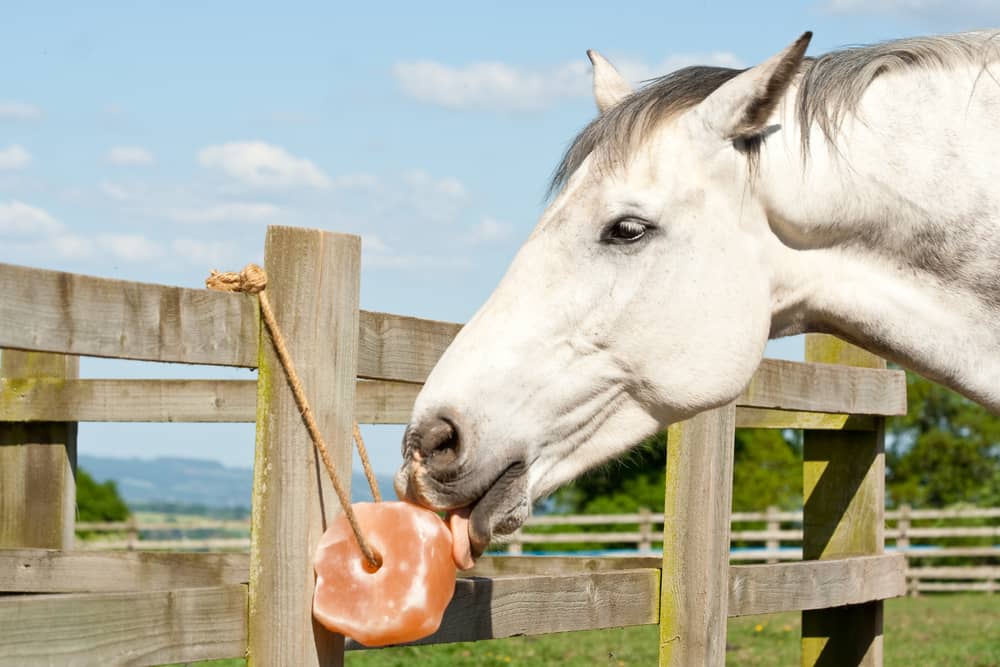
Horses Self-Medicate With These Blocks
This surprises people because it’s fascinating to know how intelligent animals are. Horses adjust their salt intake based on what their body is telling them, so there’s nothing like a feeding schedule for these salts.
It all depends on how much they have been sweating and what activity they were involved in. It also depends on the weather, just like us humans. Several factors change how much a horse will lick on a given day. A horse coming off a hard training session in a hot month like July is going to consume more than a horse in a field on a cool October morning.
The practical implication is that a well-formulated salt block is one of the few effective supplements that is convenient for self-regulating. You’re not rationing it out or measuring daily quantities. Owners only have to make it accessible and let the horses consume it based on their electrolyte levels. For livestock facility operators, it’s a win-win because it’s affordable and convenient.
Role of Density in the Best Salt Block for Horses
Not all salt blocks are equal in hardness, and this is an important feature for owners. Softer blocks wear down faster and need to be replaced frequently. A horse with high licking frequency and mineral needs can put a dent in a soft block pretty quickly. Plus, it also makes it look like the horse has an increased mineral need, but it is often just the block disintegrating easily rather than reflecting any genuine physiological demand.
Slow feeders are common for cats and other pets, and salt blocks work similarly for horses by naturally controlling how much they consume. The density means with each lick, less material will dissolve, which is especially useful for horses that lick compulsively or out of boredom rather than need.
Dense dark pink salt blocks tend to be preferred in stables for this reason. They last longer and reduce costs. And as a bonus, they help in identifying whether it’s a bodily need or a habit.
Hydration Is the Main Use Case Here
Everyone frames salt licks as a mineral supplement. But what it’s mainly used for is hydration. Sodium causes thirst. The more salt they get, the more water they drink. That’s not a secondary benefit; it’s arguably the primary one. Enough water intake is important for a lot of things, such as digestive health and temperature regulation.
During transport, horses often reduce voluntary water intake because of stress and if they aren’t familiar with the water source. Giving them these blocks before and during travel helps increase thirstiness when the horse might otherwise not bother drinking.
Hot weather also reduces their appetite, which in turn also reduces the amount of water they are getting. Likewise, horses that are training recover better from these mineral licks.
What Humidity Is Doing to Your Outdoor Blocks
This is information that not many people, including those managing livestock, really know about. Salt absorbs moisture; everyone knows this, but doesn’t actually think about it. A block placed outdoors without shelter will pull in rain and humidity and start softening. This loosens up the salt grains and of course, it ends up getting consumed more. Sometimes the loose grains mix with saliva and other things, dropping to the ground, which many times horses don’t like eating. All in all it creates huge waste.
Covered areas aren’t ideal either if they are not properly ventilated. The poor airflow doesn’t let the blocks dry completely. Where you mount these also matters; at nose or shoulder height is the most preferred height. This maintains their posture and you won’t experience contamination from stable floors, similar to how proper handling of grilling salt tiles ensures hygiene and quality in food preparation.
A little tip from our side: In wet seasons, if you can move blocks indoors and bring them back out after, you’ll extend block life a lot.
Why Buyers Pay Attention to What the Block Looks Like
For anyone sourcing lick blocks in bulk, for a commercial livestock setup, the appearance of a block has started to matter more than it previously did.
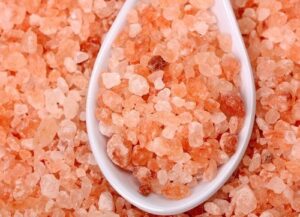
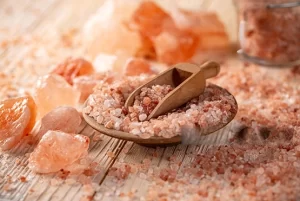
A pale white block comes off as heavily refined. A r reddish-brown or dark pink salt block signals natural mineral content and minimal processing. The rich color in natural mineral salt blocks comes from iron oxide and trace minerals present.
For buyers in premium equine markets who are making purchases based on what’s believed in the market, this darker color is of weight. Appearance became a guarantee for quality, but they might not be the most reliable ones.
Conclusion
Animal lick salt from Pakistan is the ideal source and is more beneficial than what many of us think. They help in self-regulated mineral intake. And our products contain 84 trace minerals, which means more hydration. The only thing these advantages depend on is how you take care of them and the environment of the stale.
Looking for a weather-resistant salt block for horses? Check out our products at Paramount Salt.