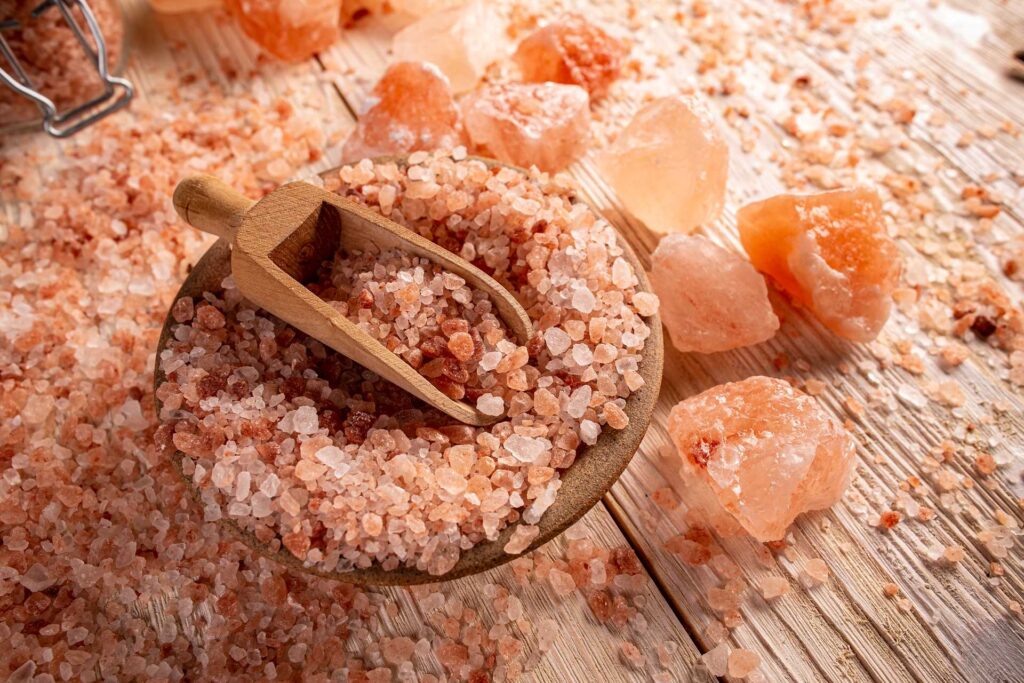
Himalayan edible salt from Pakistan is widely known for its wellness image, mainly because of its trace minerals and the idea of it being a more natural alternative. A lot of its appeal comes from this perception in everyday use.
But the demand isn’t limited to the wellness side. A large part of it also comes from industrial and livestock use, along with export volumes that are much bigger than the retail market. The same raw material is also used in different product forms, which spreads it across multiple industries.
Instead, the growth in exports from Pakistan is shaped just as much by industrial use and diversification, which is what we’ll look at next, and also other reasons.
One Source Supplying Global Demand Across Every Category
This is the foundational fact that not much information on the internet mentions. premium Himalayan salt, across all its product forms, comes mostly only from one source: the Salt Mines in Pakistan. Not somewhere near the Himalayas as it’s marketed.
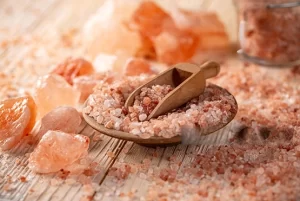
The same raw crystals are processed differently, becoming fine culinary salts, cooking slabs for restaurant presentation, Himalayan salt animal lick blocks for livestock, bath products for wellness retail, decorative lamps, and wall tiles. No matter what you buy, the source doesn’t change.
And this single-origin supply is actually one of the drivers of demand. Buyers across every segment know exactly where the product comes from, which increases its value in the global trade industry, including products like animal lick salt used in livestock nutrition markets. The Khewra Mine is one of the most thoroughly documented sources in the world, with a verifiable geographic origin and consistent mineral profile that importers can audit and certify.
The Pink Color Created Demand Nobody Planned For
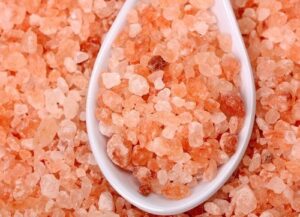
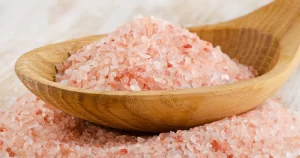
The unique color gave these salts and products a brand identity that no one else can copy. Iron oxide and trace minerals give Himalayan salt its pink tones. Nobody formulated this color. It’s just what the geology produces. And the vivid natural color is what became an unexpected demand driver.
On a restaurant table, a pink salt grinder says a lot about the place, especially that they care about ingredients. On a spa product shelf, a pink bath salt looks natural and makes the business look so much more credible. Likewise, if you’re a livestock items provider, a dark pink Himalayan salt animal lick signals minimal processing and natural mineral content.
The tone became a signal of care, authenticity, and naturalness for multiple industries. Demand expanded across markets because of the visual identity. That kind of cross-market appeal is not something you can manufacture through branding.
Industrial Use as a Key Reason for High Demand
Although many of us, specifically those who are just consumers, assume Himalayan salts are mostly sold for wellness or aesthetic use. But this is just an assumption.
The reality is that its industrial volume and industrial demand are substantially larger. Food manufacturers are sourcing bulk edible salt from Pakistan for processing and production. Livestock industries are buying Himalayan salt animal lick blocks and mineral blocks across continents, Europe, North America, and Southeast Asia. and the hospitality sector importing cooking slabs and decorative lamps for hotel and restaurant chains.
In fact, animal lick products alone are a significant portion of bulk industrial demand. Livestock require a consistent and strong enough mineral source. And compressed natural salt blocks have become a preferred option over synthetic mineral supplements in many markets. The demand is tied to agricultural production cycles, which makes it one of the more stable revenue streams in the entire category.
Understanding this answers your question of why these products are consistently in high demand. Himalayan salt isn’t primarily a wellness product. It’s a mineral commodity with strong, stable industrial demand that also has a consumer wellness segment on top of it.
Multiple Product Forms Increased Overall Demand
One of the reasons Himalayan salt demand has grown rather than plateaued is how the mineral has diversified into different types of products.
Grain size variation, like coarse chunks to fine powder, is used in food manufacturing at different specification levels, enlarging the niches covered. Grilling slabs created a premium cooking and presentation product for restaurants where conventional salts didn’t add any visual value. Himalayan salt animal lick blocks addressed livestock markets where compressed salts were already used. They were replaced by the Himalayan variety, with natural mineral content preferred over synthetic alternatives. Bath and body products reached wellness retail and spa supply chains. Decorative lamps reached interior design and gifting markets.
All of these were created from the same raw material. Only adapted processing, forming, and packaging were needed. The result was a product portfolio that turned edible salt from Pakistan into an export category rather than a single product. The upside? When one segment is not performing well the others sustain the volume. This is part of why demand has remained strong.
Natural Variations Make the Product More Valuable
Across food retail, wellness, home decor, and gifting, you will see a pattern: natural-looking products outperform perfectly uniform equivalents at the premium price tier.
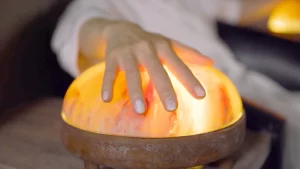
Himalayan salts play on this pattern too. The irregularity in the crystal edges in a coarse salt jar. Slight variation in tones across a batch of cooking slabs. The unsmoothed marbled exterior of a Night Light Salt Lamps. These create an image of handcraft, natural origin, and minimal processing. These cues are what premium buyers look for and pay more for. A slightly imperfect natural product is more trusted and preferred over a perfectly manufactured one. And this is why a higher price can be charged.
For edible salt from Pakistan specifically, this means the material’s natural inconsistency is a strong quality.
Conclusion
Himalayan salt demand is high because it facilitates multiple segments from consumer wellness, food manufacturing, hospitality, livestock agriculture, to home decor. The wellness trend no doubt gave the Himalayan variety the boost it needed. Then came the Industrial demand, led by Himalayan salt animal lick products and bulk edible salt from Pakistan for food manufacturing. The commercial use is what keeps it a consistently imported and exported commodity instead of just a trend.
If you’re a business owner in the hunt for a strong product, contact Paramount Salt today. We’ll provide you with the most unique Himalayan edible salt products that no other manufactured goods can beat.